
In-clinic introduction video · play muted
THE GOOD MORNING CLINIC FILM / 16 SEC
THE GOOD MORNING DENTAL SEOUL · SINCE 1990
A dental clinic thatlistens once more.
When treatment felt impossible, we discuss possibilities again.
A careful solution for difficult treatments,
A trustworthy explanation for anxious minds.
SINCE 1990A spirit of care passed down for two generations
Actual The Good Morning Dental Clinic footage · mutedProviders who talk together
Treatments postponed because they were difficult,
We will start by hearing those stories.
01 / If fear comes first
Sedation dentistry
Sedation dentistry is a conscious sedation method in which an intravenous sedative is administered to reduce tension and anxiety during dental treatment. It is different from general anesthesia, and the depth of sedation and memory of the treatment vary by individual.
Learn about treatment methods02 / If retreatment is neededImplant revision
If an installed implant is loose or the surrounding gums are inflamed, we re-diagnose the cause first. The first step is to determine whether to try to save it, remove it, or replace only the components.
Learn about treatment methods03 / If you worry every time you smileFront-tooth treatment
Treatment that plans not only the function of the restoration but also the harmony of color, shape, and gum line, taking the patient's oral condition into account.
Learn about treatment methods04 / If just getting care is difficultDental care for patients with disabilities
If dental care is difficult due to developmental disabilities, intellectual disability, physical disability, or epilepsy, we check usual condition, current medications, and past dental experiences to find the appropriate treatment method.
Learn about treatment methodsWhen a tooth is lost,
the way back to everyday life.
Scroll down to follow the implant treatment step by step.
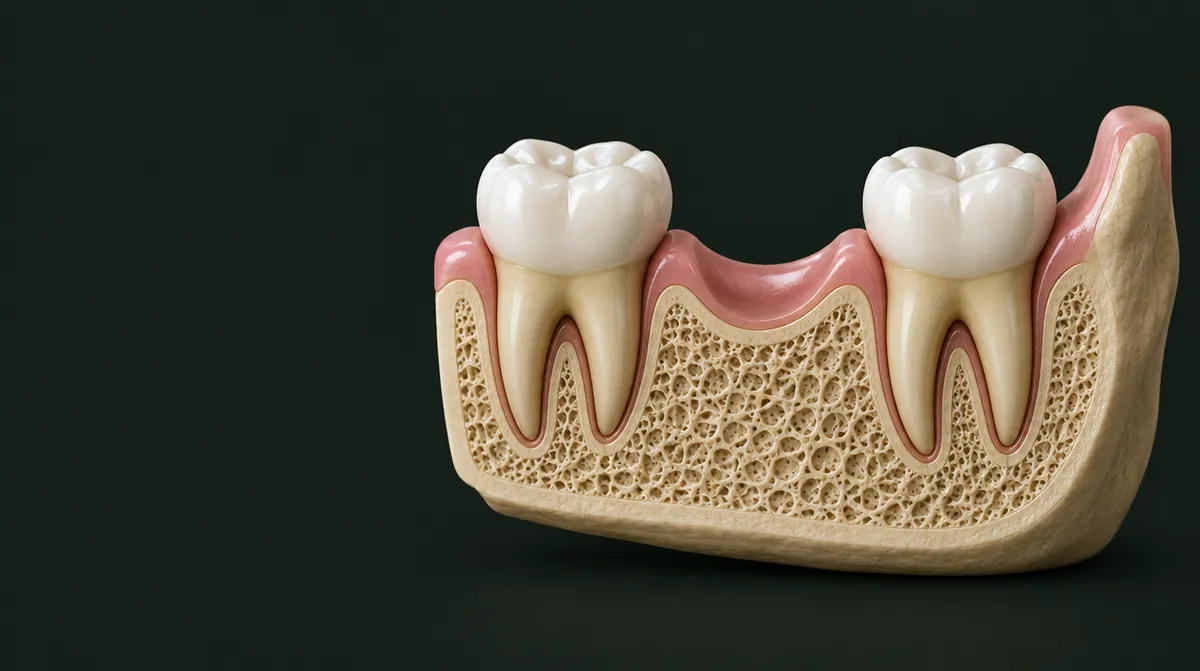 01/ 05 · Gap
Where a tooth is missing
Left for long, chewing shifts to one side and neighbouring teeth and jawbone may change.
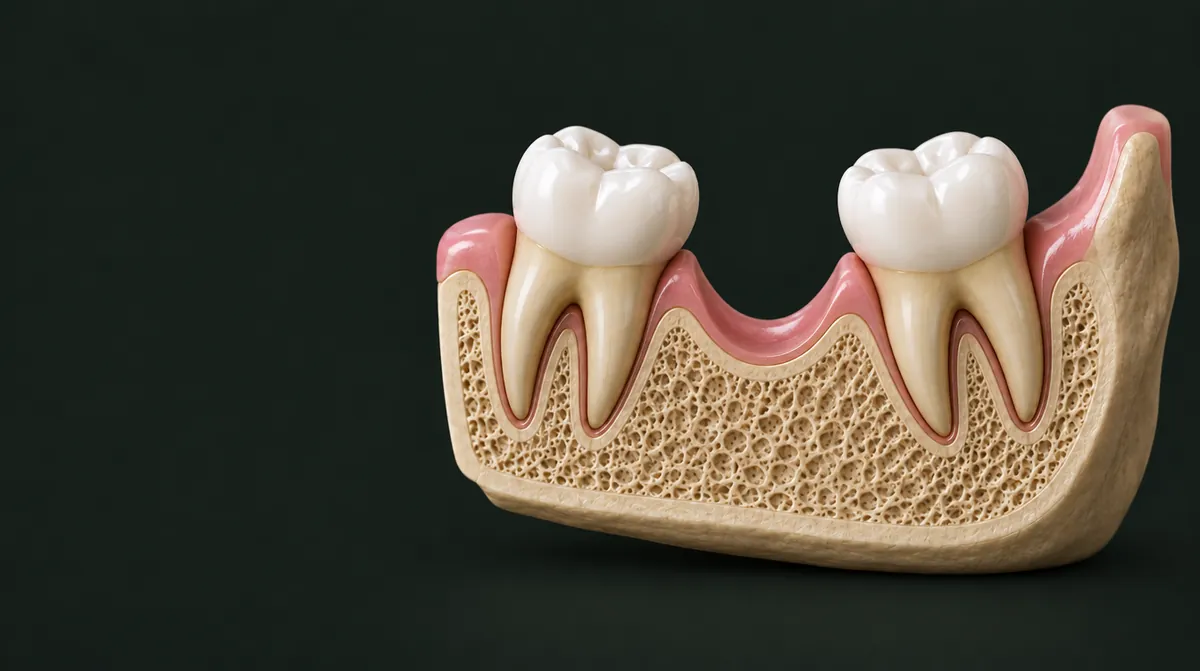 02/ 05 · Bone check
Over time the jawbone can shrink
Bone height and width are checked on CT. If insufficient, bone grafting or a sinus lift is considered.
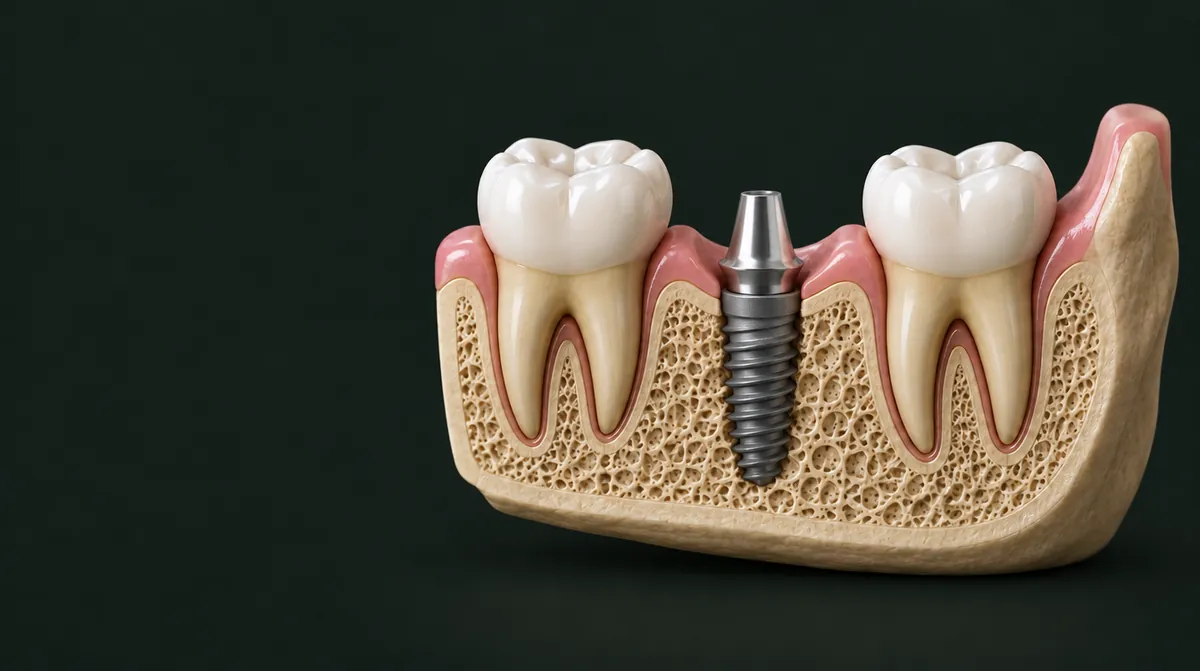
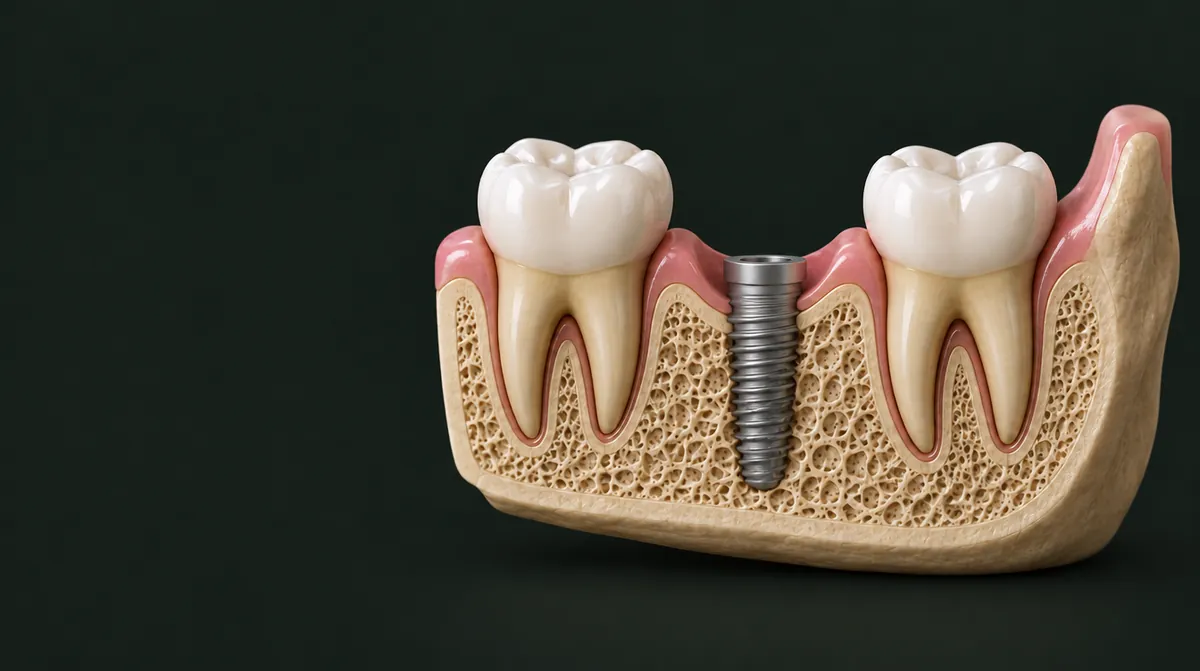 03/ 05 · Placement
An artificial root (fixture) is placed in the jawbone
If you are very anxious, conscious sedation can be planned after consultation. Time is needed for the fixture to bond with bone.
 04/ 05 · Connection
An abutment connects it to the crown
Connection parts are chosen while checking the gum shape and bite.
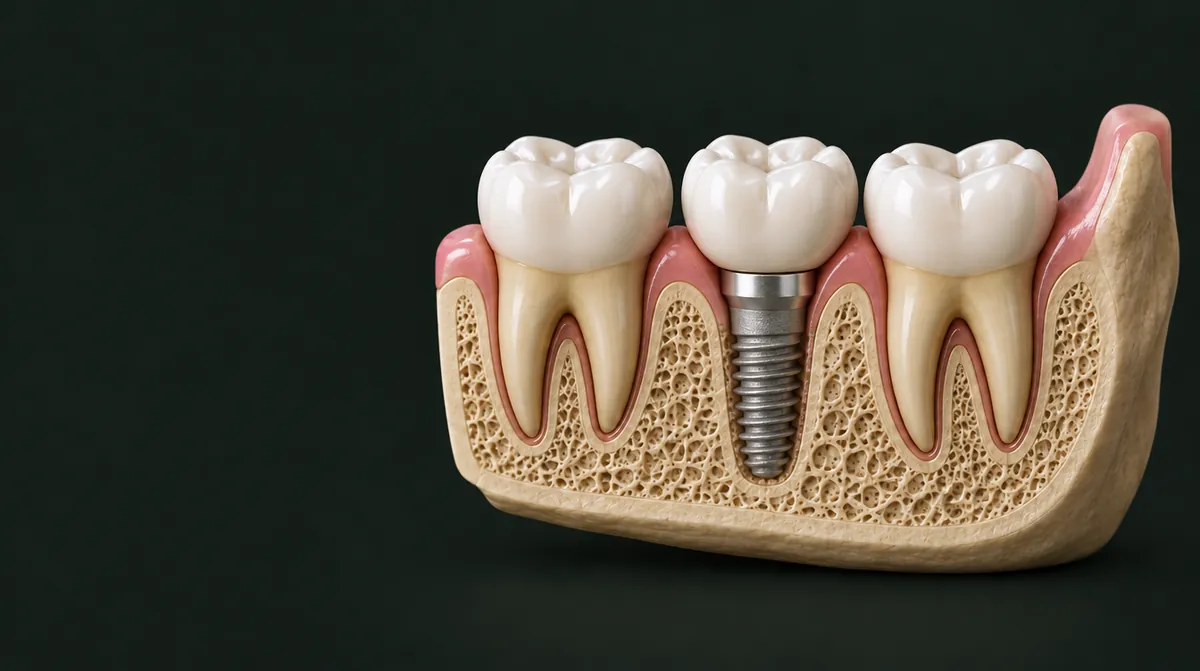 05/ 05 · Crown
A crown restores chewing
Regular check-ups and gum care matter for long-term use.
Cross-section drawing and 3D illustrations (AI-generated) for explanation only — not patient photos. Steps and duration differ for each person.
If a missing tooth worries you, start by checking your current condition.
OUR STORY · SINCE 1990Two generations, one place
Since 1990, in the same place,
caring for families’ teeth.
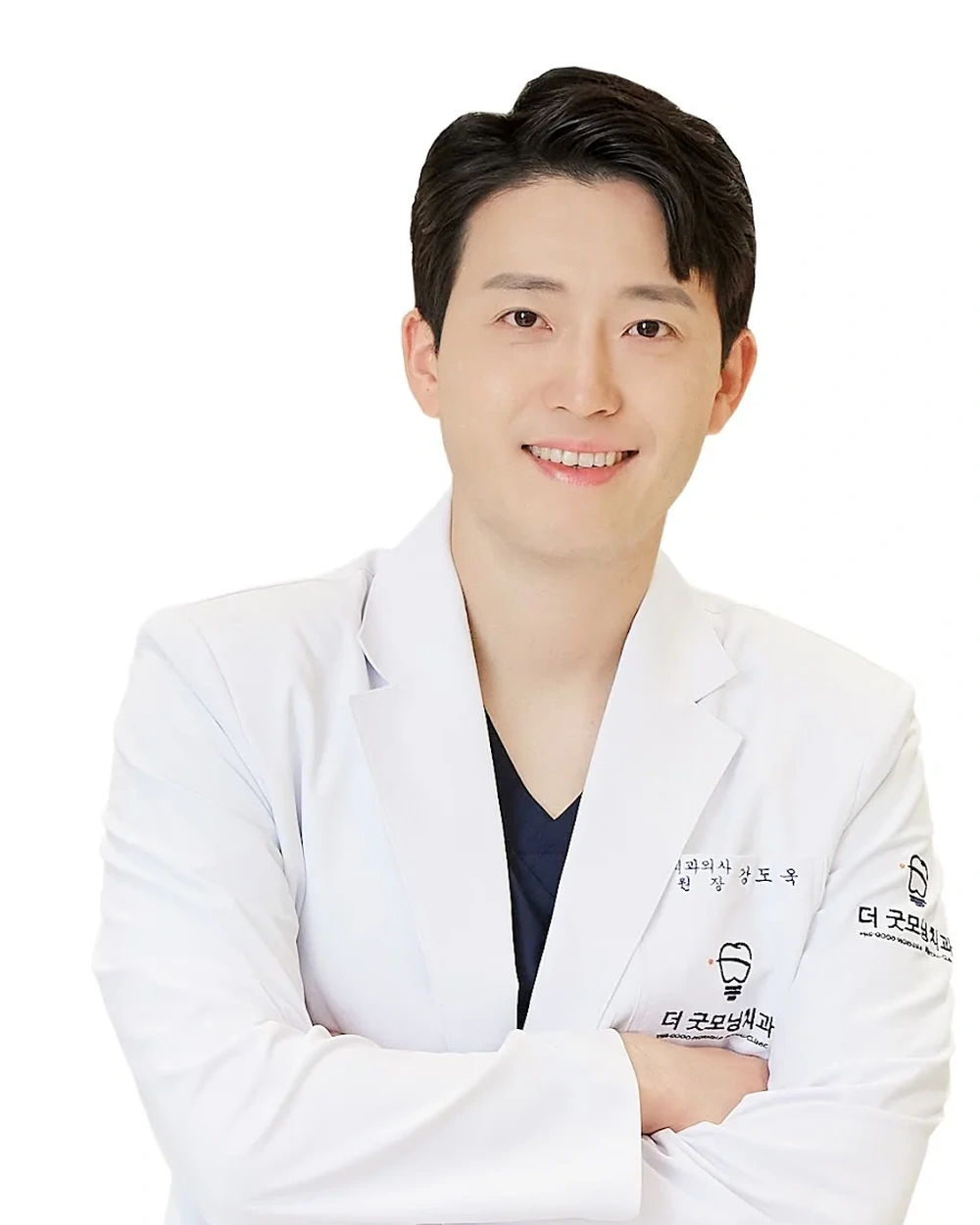
Dr. Kang Jong-seung opened the clinic here in 1990, and his son Dr. Kang Do-wook now continues the practice as the second generation. Many families come across generations: children visit the clinic their parents used, and later bring their own children.
That is why we think first about caring for you over the long term, not just a single treatment.
I watched my father treat patients in this same place for more than 30 years, since 1990. Whenever his long-time patients speak gratefully of his care and ask me to look after them now, I feel how heavy the responsibility of caring for people over many years is. That respect is the standard for my own care.
Two meanings behind “The Good Morning”
The first is sedation. We hope that people who put off dental care out of fear can finish treatment under sedation and wake up to a calm morning the next day.
The second is trust: a promise to put patient satisfaction first, built on the trust that this is a clinic you can rely on.
Care we deliberately give more time to
- Care for patients with disabilities or systemic conditionsWe first listen to mobility, communication, medicines and the caregiver’s burden, then plan sedation and the care environment.
- Recurring maxillary sinus problemsIf sinus inflammation keeps returning after several visits elsewhere, we reassess the causative tooth or implant together with the sinus.
- Restoring the front-tooth gum lineIf you were told to compromise on the look of your front teeth, we first check how far the gum line can be restored.
- Long-term care across two generationsIn the same place since 1990, we aim to remain the clinic you can return to long after treatment.
- Complex implant revisionFor loose or inflamed implants we identify the cause first and decide between keeping, replacing parts or re-placing.
DIRECT FROM THE DOCTORThat story you were curious about,
View all videosThat story you were curious about,
Hear it directly from the director.
Videos provided by the director about sedation, reoperation, front-tooth, and disability care. Choosing one opens the YouTube player.
03 / A CALMER EXPERIENCEBecause you're afraid
Conscious sedation is different from general anesthesia, and suitability · effects · recovery time vary by individual.
Because you're afraid
You don't have to postpone.
“Because of fear alone, teeth that didn't have to be lost
being lost was always regrettable.”
For those who are afraid of the dentist
We look for ways to reduce fear together.
From the first consultation to recovery check
Check overall body condition
Consultation and check of overall condition · current medications
Individual preparation guidance
Individual guidance on fasting · medications · accompaniment by a guardian
Sedation and monitoring
Sedation · necessary local anesthesia and monitoring
Return home after recovery confirmation
Recovery assessment · return home with a guardian · no driving on the same day
Auto play
This is a depiction explaining the treatment process. It does not display vital signs or depth of sedation.Care for patients with disabilities · systemic diseaseWe hope you will not give up and leave
We hope you will not give up and leave
and go home.
Message from Director Kang Do-wook · provided representative director message
"Even if movement is difficult or receiving treatment is hard, we hope you will not give up and go home from our clinic."
We will first listen about mobility and communication, current medications, and the guardian's concerns. Whether sedation treatment is possible and the required clinical environment will be determined after pre-evaluation.
If treatment here is not suitable, we explain why and discuss referral care. Please confirm wheelchair access with the clinic in advance.
Sleep treatment for patients with disabilities +Implants for patients with disabilities +Care for systemic disease +
Consult about the treatment environment firstTrust sustained since 1990Conscious sedation sedation centerInterdisciplinary medical team collaborationPriority on preserving natural teeth
01 / OUR PHILOSOPHYWe see the person before the treatment.
Patient's
discomfort
one more
we ask about.
Treatment begins with listening until the end to where and how you are uncomfortable.
"Dentistry is not a place where you get treatment once and that’s it, but a place you go with for a long time."
Continuing the dental clinic my father started in 1990,
this is the story of Dr. Kang Do-wook, who treats patients in the same place as the second generation.
Listen thoroughlyPlan carefullyManage together
Worries you couldn't voice,
become conversation the moment they are spoken.
We ask once more about the patient’s discomfort.
THE GOOD MORNING / Q&AExample treatment guidance
QUESTION
I’ve been too scared to go to the dentist for years — can I also receive treatment?
The Good Morning Dental Clinic treatment guidance
If you’ve postponed care due to dental phobia, please tell us first what specifically scared you. Conscious sedation is one option, and after an examination we also explain options such as staging treatment, adjusting explanations, or allowing adaptation time.
Learn more about sedation treatment · conscious sedationQUESTION
Will a front-tooth implant look obvious?
The Good Morning Dental Clinic treatment guidance
It cannot be made completely identical to a natural tooth. We assess the gum line and the color and translucency of adjacent teeth, check the shape with a temporary restoration, and then make the final restoration.
Learn more about front-tooth implantsQUESTION
Does the implant have to be removed?
The Good Morning Dental Clinic treatment guidance
Not necessarily. Depending on the inflammation, cleaning around the implant and regenerating lost bone may allow the existing implant to be retained. A detailed examination to assess whether it can be saved comes first.
Learn more about implant revision and retreatmentQUESTION
Another clinic recommended extraction. Can the tooth be saved?
The Good Morning Dental Clinic treatment guidance
In some cases, it may be possible. We reassess the remaining tooth structure, roots and supporting bone, and explain the possibilities and limitations of preservation. If preservation is difficult, we explain why and discuss alternatives.
Learn more about preserving natural teethA careful solution for difficult treatments,
A trustworthy explanation for anxious minds.
WHY THE GOOD MORNINGThe Good Morning promises
Why The Good Morning Dental Clinic?
A careful solution for difficult treatments,
A trustworthy explanation for anxious minds.
01
Sedation dentistry for greater comfort
Fear and distress triggered by dental smells and sounds: we assess whether conscious sedation may help reduce anxiety and tension.
02Full member of the Korean Academy of Dental Anesthesiology
A dentist who is a full member of the dental anesthesiology society adjusts the depth of sedation to the patient and monitors their condition throughout the procedure. Society membership is not equivalent to specialist certification in anesthesiology.
03Front-tooth implant
Bone and gums around front teeth are thin, so implant placement alone is not the whole plan. A periodontist considers the gum line when planning implant position and whether grafting is needed.
04Implant reoperation · retreatment
If an implant is loose or discharging pus, we reassess the cause first. We distinguish between preserving it, removing it and replacing only its components.
05Front-tooth treatment
Uneven gum levels can make the result look unnatural even when teeth are replaced. Periodontists and prosthodontists plan the relationship between gums and teeth together.
06You are welcome even if mobility is difficult
If you have systemic conditions or limited mobility, tell us about your usual condition, medications and transport needs. We will explore feasible treatment options together.
07Sunday appointments
Open on Saturdays and Sundays. Please call to confirm substitute public holiday hours.
08Preserving natural teeth comes first
We consider preservation before extraction. We explain its prospects and limitations, and are honest when a tooth cannot be saved.
09An in-house dental laboratory
Restorations are made in-house, with shade, shape and bite adjusted together. Fabrication time and the number of visits depend on the treatment plan.
02 / OUR SPECIALTIESView all treatments
What treatment
do you need?
From frightening memories to concerns about repeat treatment.
Explore the care you need, step by step.
01
Because you're afraid
I have been putting it off.
We will first listen to what makes dental care frightening for you
Sedation dentistry · conscious sedation
02
Gums have receded
My front teeth look long.
The spot that shows first, down to the gum line
Front-tooth implant
03
My parents also
Is it possible?
Starting with the overall oral structure and systemic condition
All implants
04
The prosthesis
keeps coming off.
From whether to re-implant or just replace parts
Implant reoperation · retreatment
05
Front-tooth prosthesis
is noticeable.
Color, shape, and gum line together
Front-tooth treatment · aesthetic prosthodontics
06
I was told there is not enough bone.
I heard.
You must rebuild collapsed bone to create space for an implant
Complex bone grafting
07
After upper (maxillary) surgery
there is a smell.
Not only the bone height but also the source of inflammation
Maxillary sinus disease · inflammation treatment
08
Every time I brush
it bleeds.
Starting from the gums that support the teeth
Gum treatment (periodontal therapy)
Before deciding on extraction,
step-by-step, starting with the possibilities.
No matter how perfect the treatment or how good the materials, the best is the natural tooth. Before deciding on extraction, we confirm the possibility of preservation.
EXAMINE
Reassess the condition
Re-examine residual bone amount · roots · fractures · extent of inflammation
EXPLAIN
Explain possibilities and limitations
Explain restorability and required procedures · limitations
If preservation is difficult, explain the reasons and alternatives together.
PLAN
Choose necessary treatment
Options such as retreatment of root canal · apicoectomy · periodontal treatment
FOLLOW UP
Observe course after treatment
Protect with the required prosthesis and perform regular follow-up observations
Preserving the natural tooth discussionWhether to reimplant,
or just replace parts.
If an installed implant is loose or the surrounding gums are inflamed, we re-diagnose the cause first. The first step is to determine whether to try to save it, remove it, or replace only the components.
Can’t you just redo the implant prosthesis?
If only the prosthesis is broken or loose, consider prosthesis repair · replacement. You must check the implant body · connecting components and the alveolar bone as well, and if you do not resolve the cause the same problem may recur.
What happens if an implant is loose and you leave it alone?
It is different when a prosthetic screw is loose versus when the support of the implant body is weakened. If there is inflammation or bone loss, leaving it untreated may increase the scope of treatment, so first identify the cause.
Was the implant brand the problem?
Do not attribute the cause to a single brand. Check multiple factors such as placement position · direction · components, condition of the alveolar bone, and occlusion · bruxism.
Auto play
The depth of care differs.
The heart toward the patient is the same.
We connect each field of care and consider a person’s daily life together.
Swipe the cards to view the clinicians’ actual résumés.
01 / 5PERIODONTICS
Kang Do-wookDirector
Specialist in Periodontics · Integrated Dentistry
Academic Committee Member, Seoul Dental Association
Full résumé and treatment fields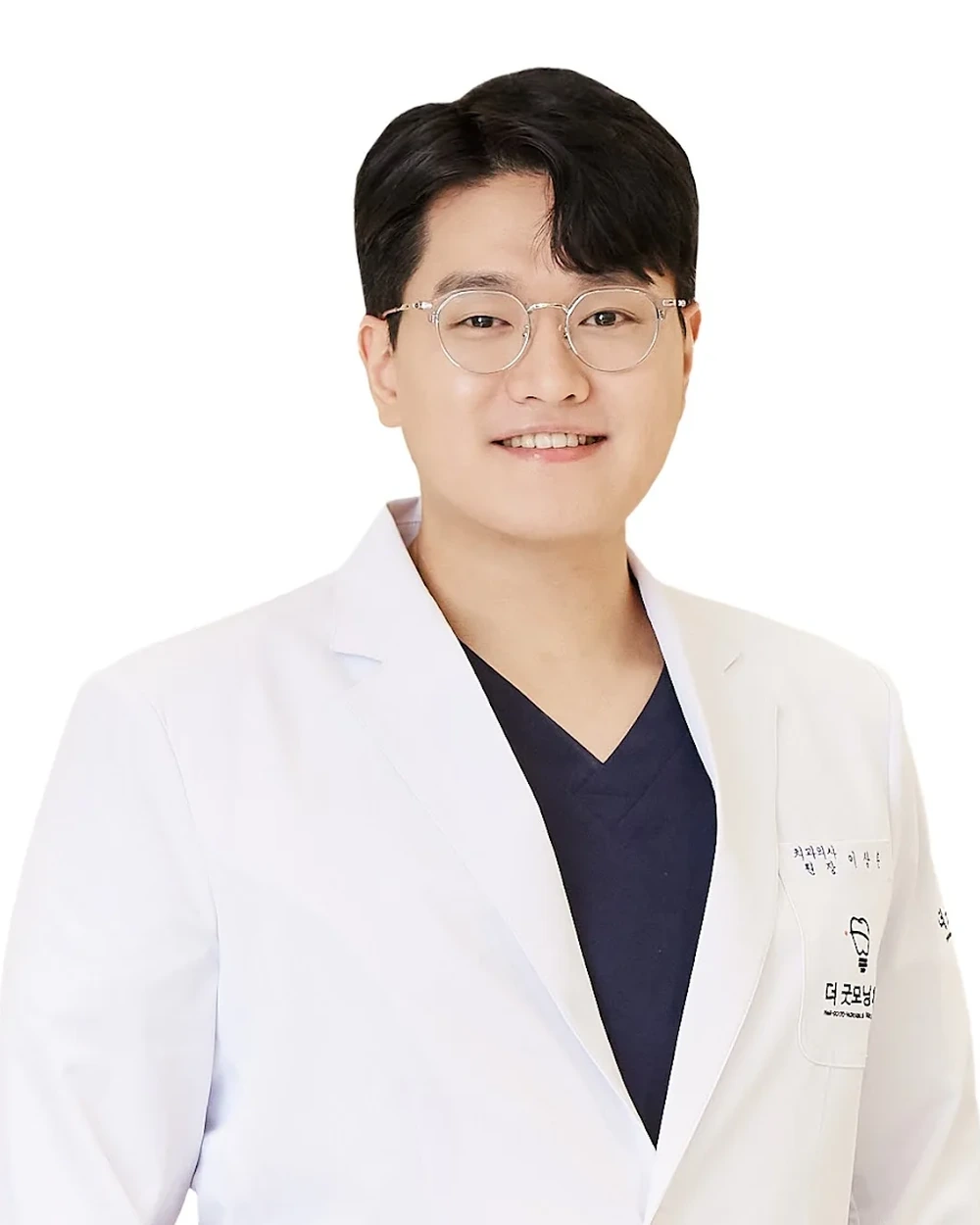 02 / 5
PROSTHODONTICS
Lee Sang-hoonDirector
Specialist in Prosthodontics · Integrated Dentistry
Former Clinical Professor (Full-time Lecturer), Department of Prosthodontics, Bundang Seoul National University Hospital
Full résumé and treatment fields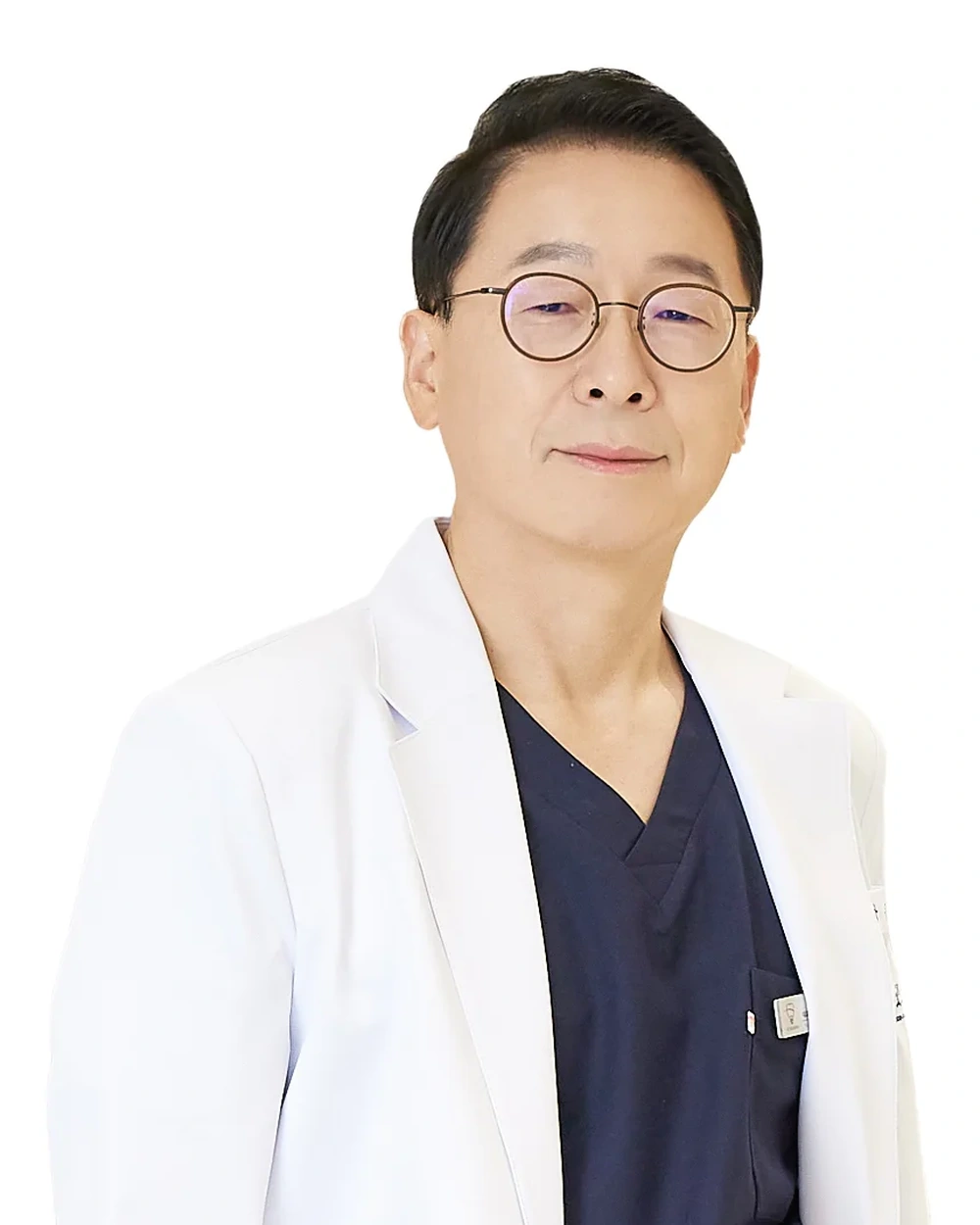 03 / 5
GENERAL DENTISTRY
Kang Jong-seungDirector
Chief Director
Graduate School of Medical Management, Kyung Hee University
Full résumé and treatment fields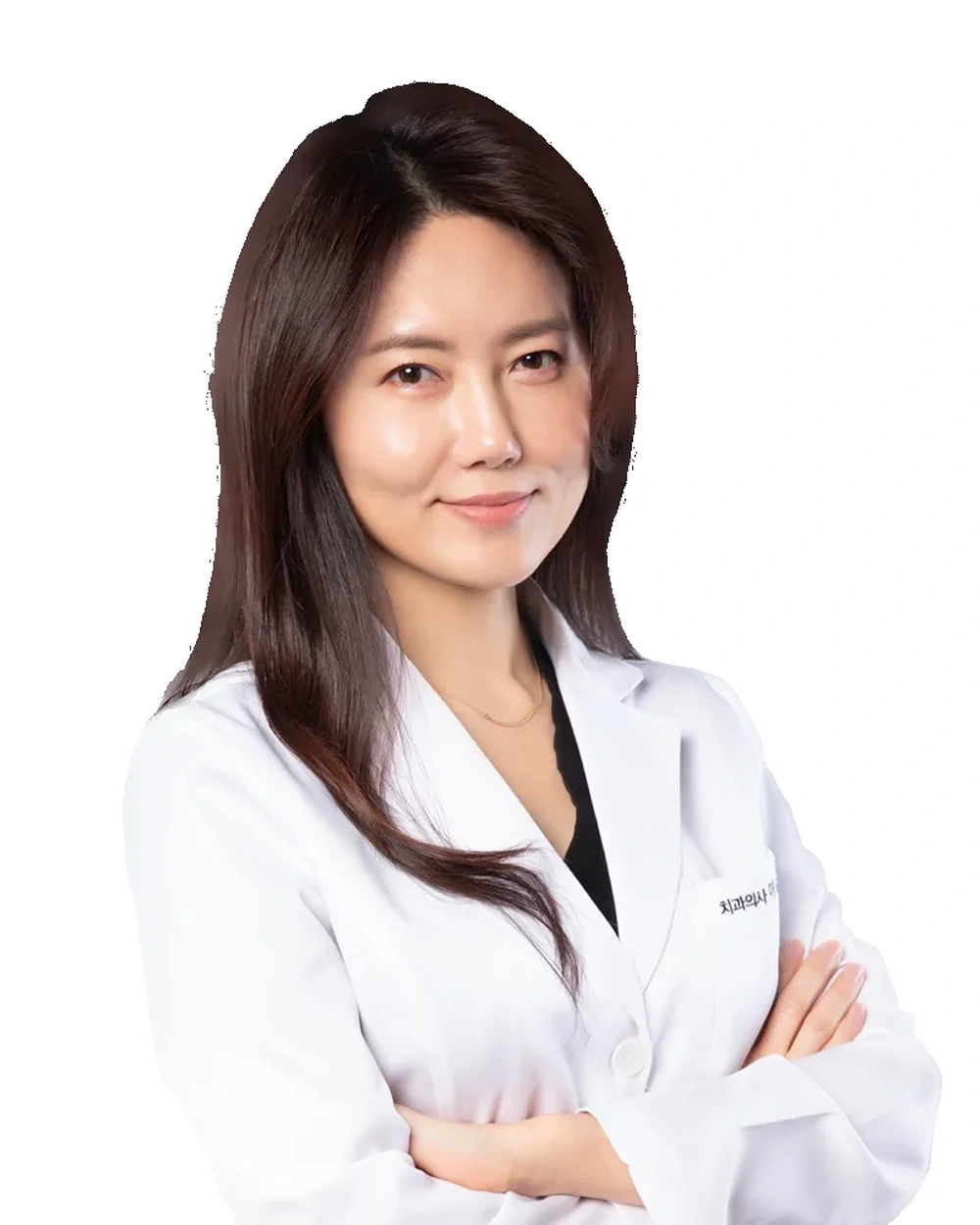 04 / 5
GENERAL DENTISTRY
Lee Kyung-yeonDirector
Director · Graduate, New York University College of Dentistry
Graduated with honors (Dean's List, 2004~2007)
Full résumé and treatment fields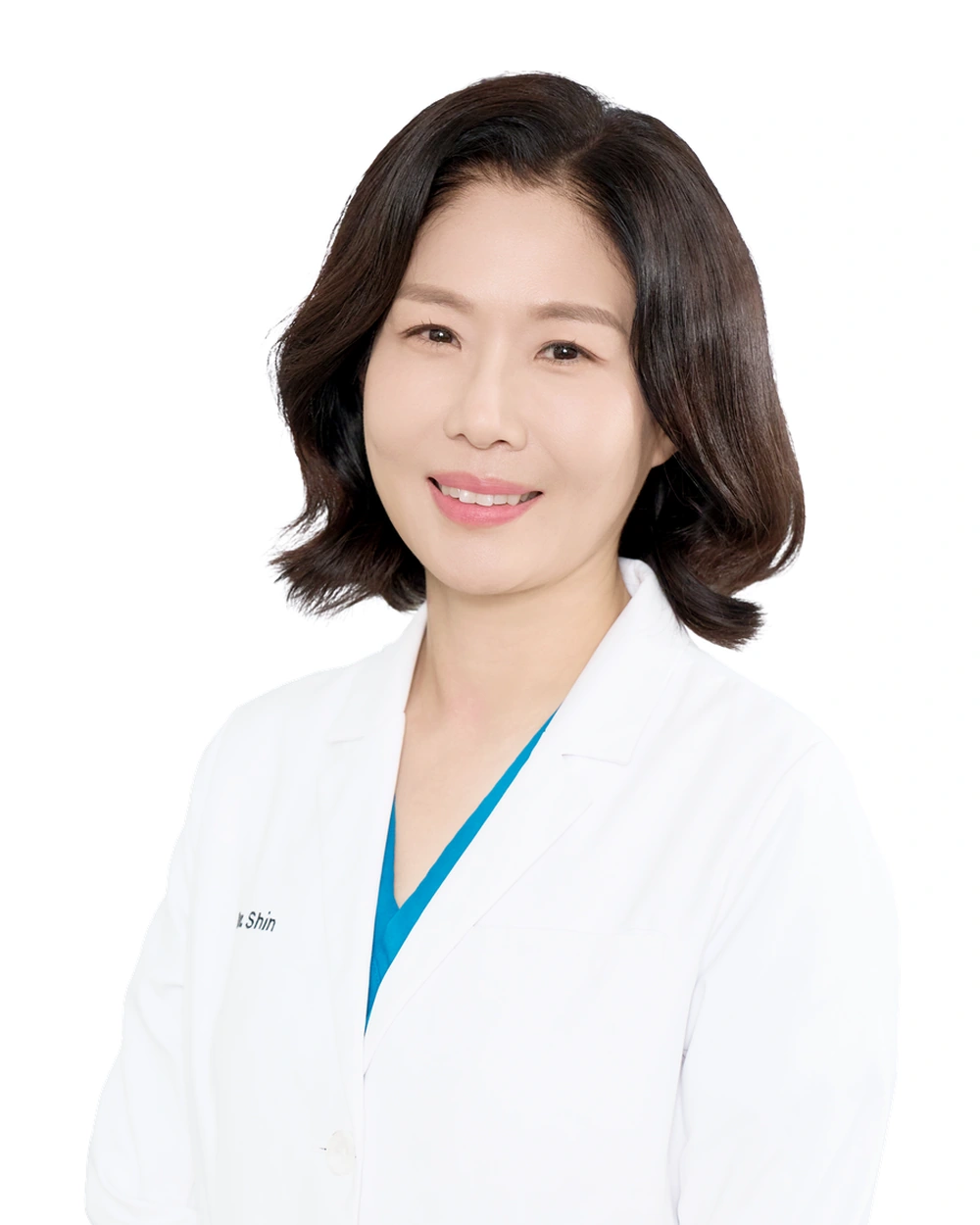 05 / 5
GENERAL DENTISTRY
Shin Hyun-sookDirector
Director · Licensed dentist in the U.S. and Korea
Graduate of Daewon Foreign Language High School
Full résumé and treatment fields1 / 5 · Director Kang Do-wook
Drag left or right or select a name.
Please call to confirm each dentist’s schedule.
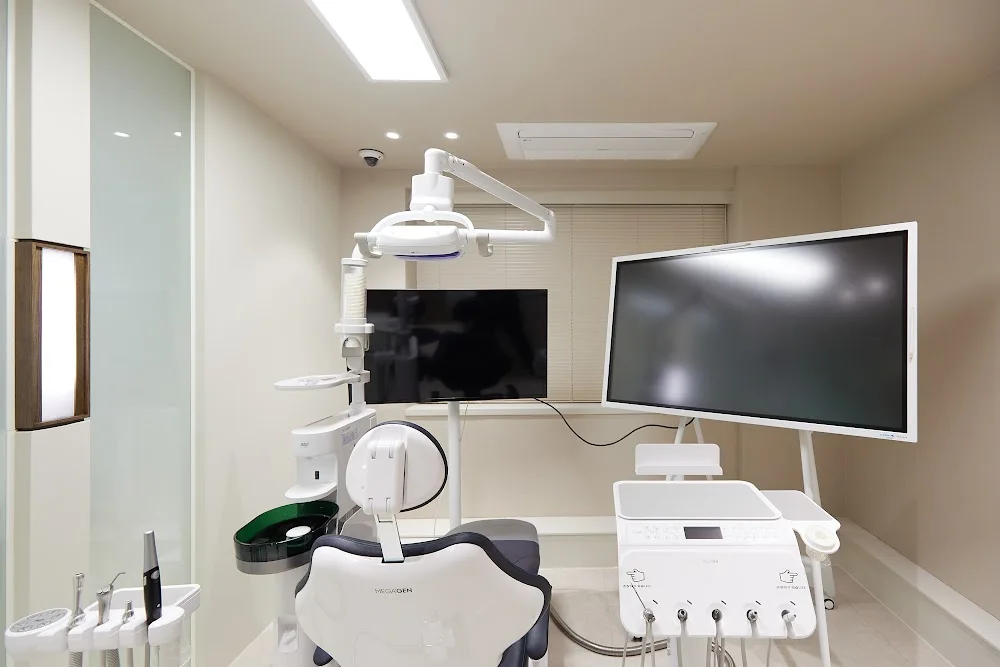
05 / DESIGNED FOR YOUR COMFORTAn unfamiliar dental clinic
An unfamiliar dental clinic
made a little more familiar.
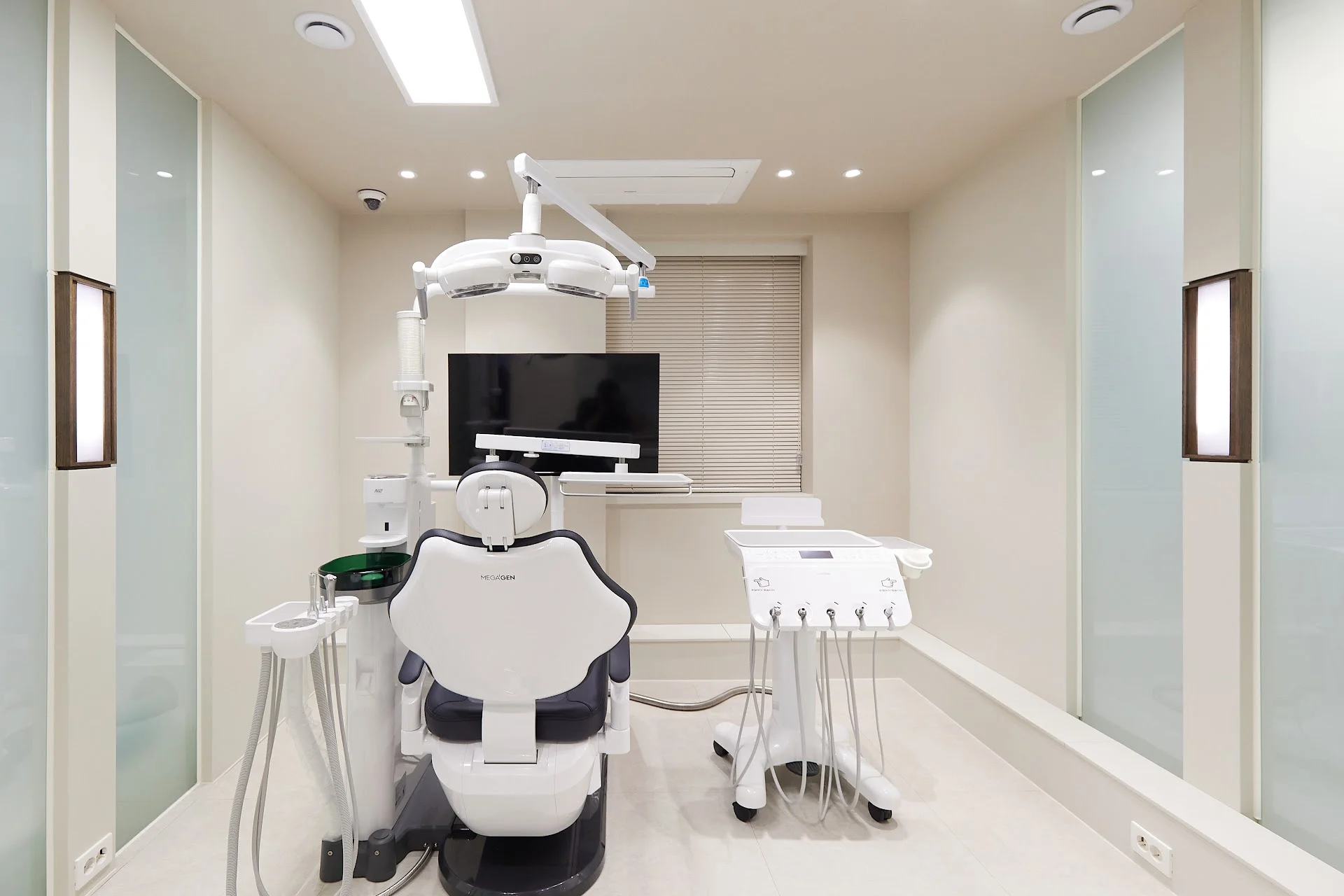
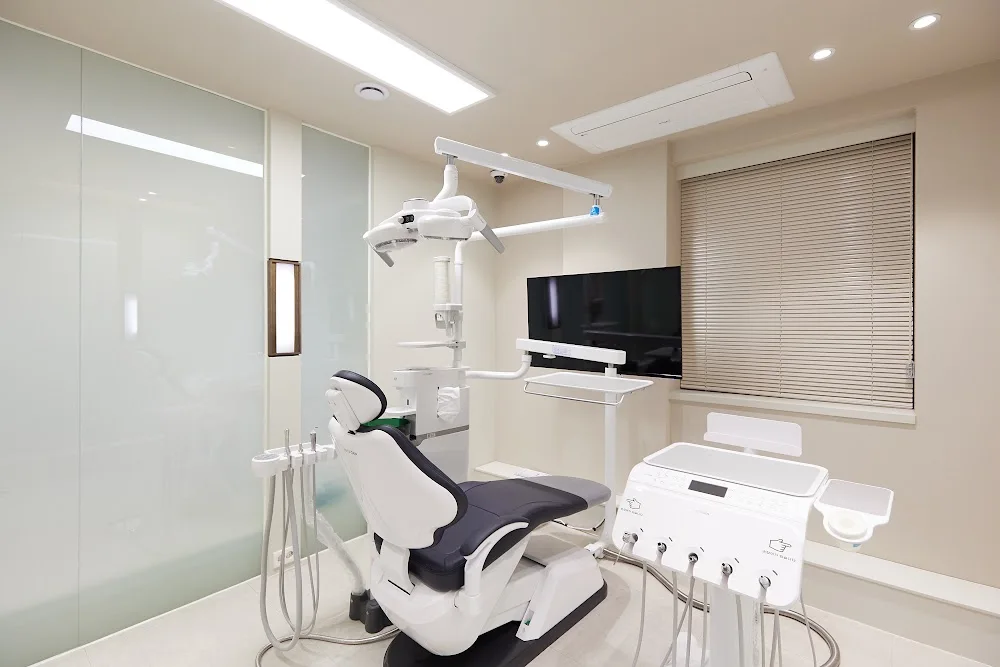
Knowing the tension of a first visit space,
we consider the moments a patient stays here.
- A space where you can concentrate on treatment
- CT · intraoral scanner for precise diagnosis
- In-house dental laboratory that matches prosthesis shapes together
Dental words that were difficult,
into words you can understand.
When you shift the boundary of explanation, the meaning appears.
GingivaGum
Refers to the gum tissue that surrounds the tooth. If there are changes in color, swelling, or bleeding, examination is necessary.
See related treatmentsAlveolar boneBone that supports the tooth
Part of the jawbone that supports the root of a tooth or an implant. Changes may occur with periodontitis or after tooth extraction.
See related treatmentsOcclusionHow upper and lower teeth meet
The relationship of how upper and lower teeth come together. It is important when evaluating distribution of biting force and the shape of prostheses.
See related treatmentsAbutmentComponent that connects the implant body and prosthesis
The component that connects the implant body and the prosthesis. If loosening or fracture occurs, distinguish it from implant body problems and check accordingly.
See related treatments06 / GOOD MORNING JOURNALView more content
Once you know,
a slightly less worrying story.
Questions not fully shared in the treatment room.
Listen to the director’s explanation and learn step by step.
If you don’t know where to startFind care information for my symptoms
More than a single treatment,
a dental clinic you stay with for a long time.
From the moment you first inquire, through post-treatment care.
Tell us about the uncomfortable area first.
Check clinic hours and call for a consultation or appointment.
Consultation and bookingWe listen once more and confirm together.
We check uncomfortable symptoms, overall health and medications, and any required tests.
View related informationWe discuss possible methods and their limitations together.
After diagnosis we explain treatment methods and precautions. Please ask again if you have questions.
View related informationTogether for a long time, even after treatment.
Check post-treatment precautions and next visit schedule for each treatment and continue with regular care.
View related informationPatient reviews
Read patients’ own words on Naver and Google. This website does not copy review text or ratings.
Read the reviews?
Now see for yourself.
Tell us what bothers you. After diagnosis we explain the options and their limits.
Reviews are personal experiences written by platform users; results vary by individual.
07 / COME SAY GOOD MORNINGA good morning starting nearby
Close to your daily life.
Wangsan-ro1 Jegidong Station
The Good Morning Dental ClinicTHE GOOD MORNING
Exit 2 · 85mLocation map to help understanding · Actual terrain/scale may differNaver Place · location and reviewsTHE GOOD MORNING
The Good Morning Dental Clinic
2nd floor, 123 Wangsan-ro, Dongdaemun-gu, Seoul
85m from Jegi-dong Station Exit 2 on Line 1
- Sunday
- 10:00-14:00
- Monday
- 09:30-13:00 / 14:30-18:30
- Tuesday
- 09:30-13:00 / 14:30-18:30
- Wednesday
- 09:30-13:00 / 15:30-18:30
- Thursday
- 09:30-13:00 / 14:30-18:30
- Friday
- 09:30-13:00 / 14:30-18:30
- Saturday
- 09:30-14:00
Open for treatment on Saturdays and Sundays without a lunch break. For holiday treatment, please confirm by phone.
ParkingPlease ask the clinic about parking locations and conditions when booking.
Mobility & accessPlease confirm wheelchair access, elevator availability and treatment-room access before visiting.
Naver Talk is an external messaging service. Do not send health information or identification documents. Please check response hours with the clinic.
Local guidesCheongnyangni dental clinicJegi-dong dental clinic