
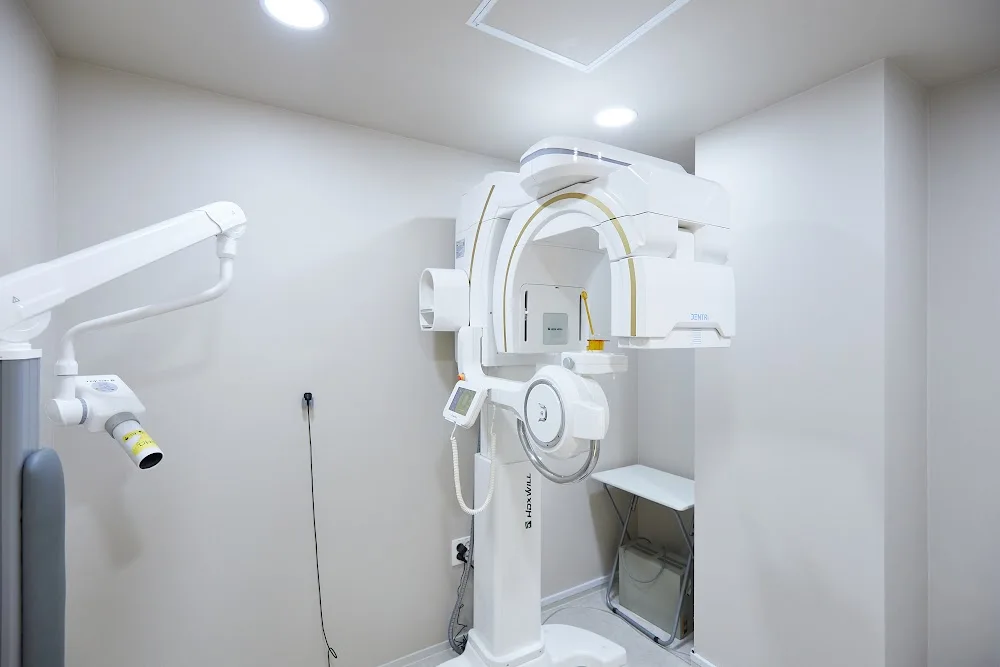
Navigation implants at a glance
- What is this treatment?
- Before actual surgery, plan implant position, direction, and depth based on CT and intraoral scan, and produce surgical guides if needed.
- What concerns are addressed?
- I was told nerve proximity makes it risky. My alveolar bone is thin so placement direction is important.
- What precautions are there?
- Postoperative pain, swelling, bleeding, infection, sensory changes, and failure of osseointegration may occur. Bone grafting or sinus surgery carries risks such as graft exposure or mucosal perforation, and varies by individual condition.
Related clinician: Director Kang Do-wook · Periodontics · Integrated Dental Medicine specialist
Check non-insured items and amountsPreparing for your consultation
A few things to consider before booking.
Tell us during your consultation
- The affected area, symptoms and when the discomfort began
- Previous treatment and your main questions now
- Dates you are available to visit
Helpful items to prepare
- A list of your medications
- Previous treatment records or images, if available
Questions to ask
- Which assessments and treatment choices are relevant to my condition?
- How can I learn about precautions, costs and appointment schedules for each option?
Do you have these concerns?
What are navigation implants?
Before actual surgery, plan implant position, direction, and depth based on CT and intraoral scan, and produce surgical guides if needed.
It’s planned by the clinician, not the computer alone
A guide transfers the preplanned position and angle into surgery. It considers nearby structures such as nerve canal and maxillary sinus and prosthetic positions. A guide does not eliminate errors or the risk of nerve injury.
Not all cases proceed with minimal incision
If bone grafting is needed, mouth opening is limited, or posterior molars are hard to access, guide use has limitations. Incision decision and guide benefits are determined after diagnosis.
Limits and precautions to know
Postoperative pain, swelling, bleeding, infection, sensory changes, and failure of osseointegration may occur. Bone grafting or sinus surgery carries risks such as graft exposure or mucosal perforation, and varies by individual condition.
How The Good Morning provides care
- CT and intraoral scanner data are used for planning.
- Distances to nerve canal and sinus are checked in advance.
- We explain both the guide’s advantages and cases where it is not applicable.
From diagnosis to aftercare: the treatment course.
- 01Use CT and oral scan to confirm prosthesis position
- 02Simulate surgery to plan position, direction, and depth
- 03Fabricate surgical guide if needed
- 04Place implant using guide, then follow-up and prosthetic treatment
Actual sequence and number of visits are adjusted according to test results and recovery.
Consultation tailored to your conditionQuestions you might have before care.
Explore this treatment further
Also see related treatments
This information is for general understanding and does not replace clinician diagnosis. Treatment methods, durations, effects, and side effects vary by individual and require sufficient consultation before care.