
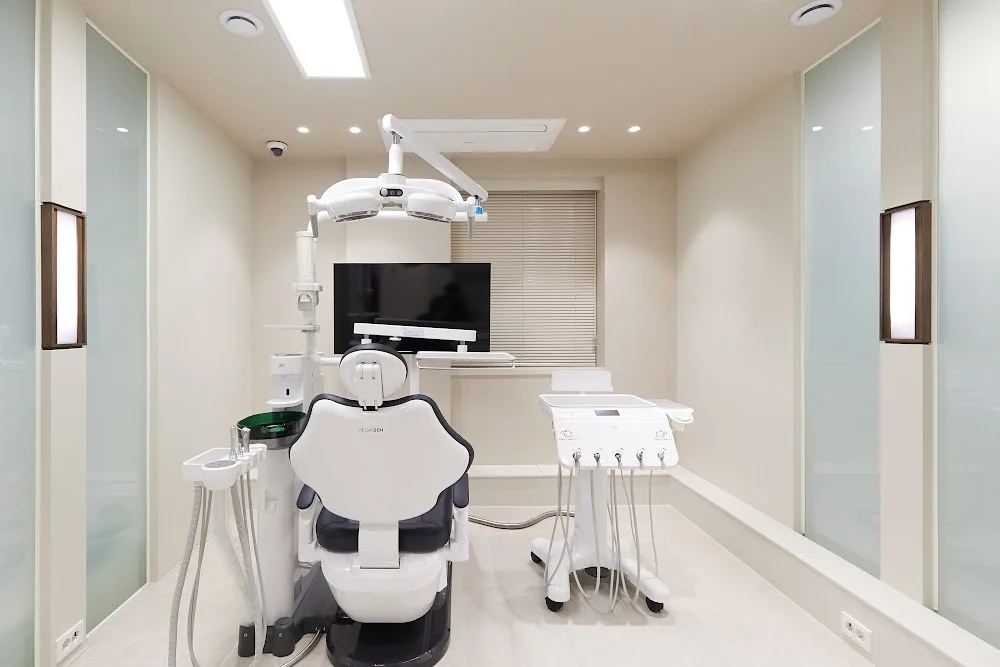
Periodontal treatment, at a glance
- What is this treatment?
- The core of teeth is the gums. Check inflammation from tartar and plaque bacteria, and proceed with necessary treatments stepwise to prevent damage to gums and supporting structures.
- What concerns are addressed?
- Bleeding when brushing; gums are swollen
- What precautions are there?
- After treatment there can be sensitivity, pain, bleeding, gum changes, or need for retreatment. Risks and recovery for each treatment method are individually explained during the consultation.
Related clinician: Director Kang Do-wook · Periodontics · Integrated Dental Medicine specialist
Check non-insured items and amountsPreparing for your consultation
A few things to consider before booking.
Tell us during your consultation
- The affected area, symptoms and when the discomfort began
- Previous treatment and your main questions now
- Dates you are available to visit
Helpful items to prepare
- A list of your medications
- Previous treatment records or images, if available
Questions to ask
- Which assessments and treatment choices are relevant to my condition?
- How can I learn about precautions, costs and appointment schedules for each option?
Do you have these concerns?
What is periodontal treatment?
The core of teeth is the gums. Check inflammation from tartar and plaque bacteria, and proceed with necessary treatments stepwise to prevent damage to gums and supporting structures.
From healthy gums to periodontitis
Healthy gums do not bleed easily during brushing. Gingivitis shows redness, swelling, and bleeding; periodontitis damages bone and tissues supporting teeth. We do not determine the stage by symptoms alone but measure pocket depth and use imaging.
We do not decide treatment by stage name alone
Tartar removal and hygiene are the basis; if deep subgingival tartar exists we perform non-surgical treatments like root planing. Remaining deep pockets and bone defects are reassessed to determine surgical need. Not all gingivitis requires deep periodontal treatment.
Maintenance after treatment is important
When swollen gums subside, interdental spaces may appear more visible. We teach interproximal brush and floss use and set check intervals according to individual status. Diabetes and smoking are reflected in the treatment and management plan.
Limits and precautions to know
After treatment there can be sensitivity, pain, bleeding, gum changes, or need for retreatment. Risks and recovery for each treatment method are individually explained during the consultation.
How The Good Morning provides care
- A periodontist diagnoses gum condition.
- If needed, plan periodontal surgery.
- We check relationships with systemic disease like diabetes.
From diagnosis to aftercare: the treatment course.
- 01Pocket measurement and necessary imaging
- 02Scaling and necessary root planing
- 03Re-evaluation and required surgical/regenerative treatment
- 04Individualized regular maintenance
Actual sequence and number of visits are adjusted according to test results and recovery.
Consultation tailored to your conditionQuestions you might have before care.
01If gums bleed and I leave it, what happens?
02Will gum medicine cure it?
03After gum treatment will teeth stop moving?
04After gum treatment teeth look more spaced apart.
05If gums are bad can I still have implants?
Explore this treatment further
Also see related treatments
Treatment case publication guidanceThis information is for general understanding and does not replace clinician diagnosis. Treatment methods, durations, effects, and side effects vary by individual and require sufficient consultation before care.