
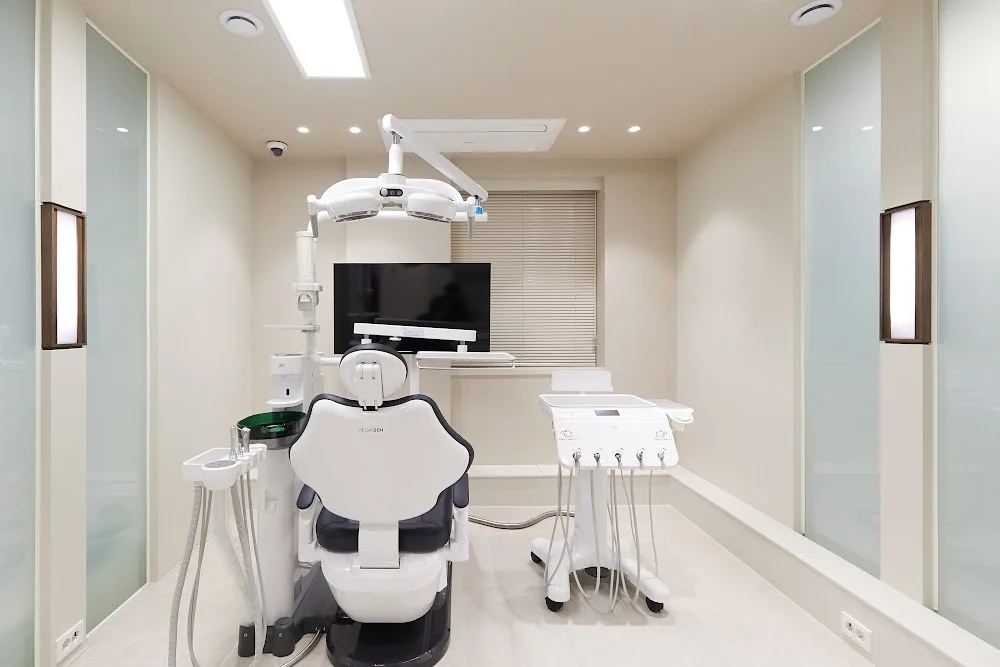
Scaling, at a glance
- What is this treatment?
- Treatment that removes tartar that cannot be removed by brushing using specialized equipment. It is the starting point for healthy gums and additional periodontal treatment may be needed depending on inflammation.
- What concerns are addressed?
- Bleeding when brushing; concerned about bad breath
- What precautions are there?
- After treatment there can be sensitivity, pain, bleeding, gum changes, or need for retreatment. Risks and recovery for each treatment method are individually explained during the consultation.
Related clinician: Director Kang Do-wook · Periodontics · Integrated Dental Medicine specialist
Check non-insured items and amountsPreparing for your consultation
A few things to consider before booking.
Tell us during your consultation
- The affected area, symptoms and when the discomfort began
- Previous treatment and your main questions now
- Dates you are available to visit
Helpful items to prepare
- A list of your medications
- Previous treatment records or images, if available
Questions to ask
- Which assessments and treatment choices are relevant to my condition?
- How can I learn about precautions, costs and appointment schedules for each option?
Do you have these concerns?
What is scaling?
Treatment that removes tartar that cannot be removed by brushing using specialized equipment. It is the starting point for healthy gums and additional periodontal treatment may be needed depending on inflammation.
When plaque hardens it cannot be brushed away
Plaque that mixes with minerals in saliva hardens into tartar. Bacterial accumulation on tartar surface causes gum inflammation. Prevent with brushing and floss; remove formed tartar with professional instruments.
Why sensitivity or visible gaps may occur after scaling
Exposed areas previously covered by tartar or reduced gum swelling can make sensitivity or a feeling of gaps more noticeable. Scaling does not create gaps by shaving tooth. If symptoms are severe or persistent, re-evaluation is needed.
Checkup interval and insurance are separate
Generally 6–12 months; if history of periodontal treatment, smoking, diabetes, etc., shorter intervals are considered. Insurance-covered frequency and needed visit intervals may differ, so we guide individually.
Limits and precautions to know
After treatment there can be sensitivity, pain, bleeding, gum changes, or need for retreatment. Risks and recovery for each treatment method are individually explained during the consultation.
How The Good Morning provides care
- We evaluate gum condition together.
- If needed, proceed to root planing or other periodontal treatments.
- Tooth color not improved by scaling requires cause determination.
From diagnosis to aftercare: the treatment course.
- 01Check oral and gum condition
- 02Remove tartar with professional instruments
- 03Polish tooth surfaces as needed
- 04Guide additional gum treatment and maintenance interval
Actual sequence and number of visits are adjusted according to test results and recovery.
Consultation tailored to your conditionQuestions you might have before care.
01Why do scaling?
02How often should I get scaling?
03Why can’t tartar be removed by brushing?
04Will scaling reduce bad breath?
05Scaling caused heavy bleeding — is that okay?
06Can deep subgingival tartar be removed by scaling?
Explore this treatment further
Also see related treatments
Treatment case publication guidanceThis information is for general understanding and does not replace clinician diagnosis. Treatment methods, durations, effects, and side effects vary by individual and require sufficient consultation before care.