
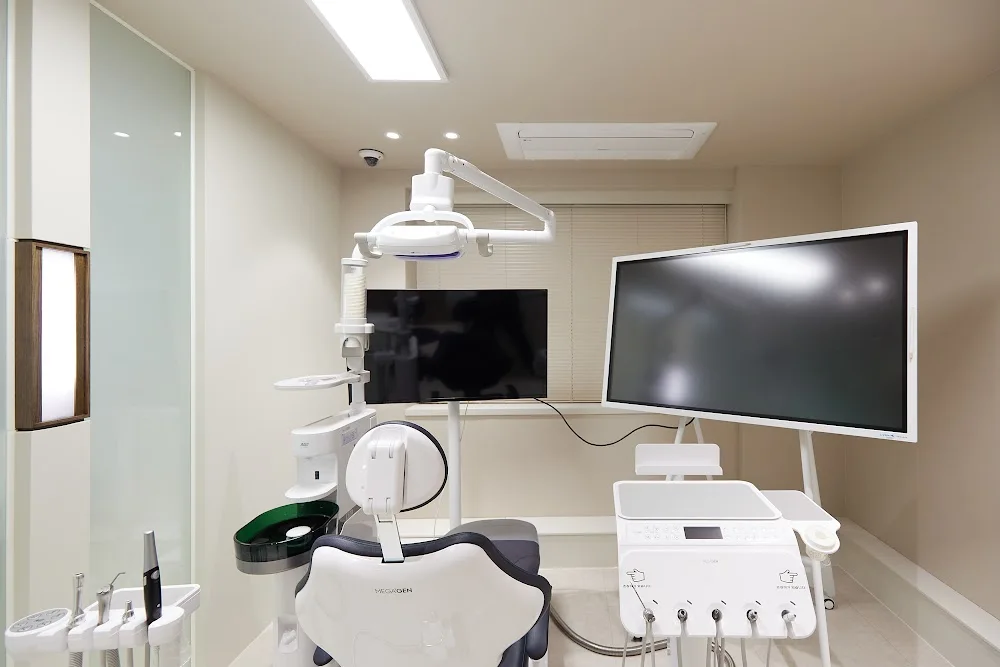
Sedation therapy · conscious sedation at a glance
- What is this treatment?
- Sedation dentistry is a conscious sedation method in which an intravenous sedative is administered to reduce tension and anxiety during dental treatment. It is different from general anesthesia, and the depth of sedation and memory of the treatment vary by individual.
- What concerns are addressed?
- I feel fear from dental-specific smells and sounds; injection needles are the scariest
- What precautions are there?
- During sedation respiratory depression, hypoxia, blood pressure changes, nausea, and drug allergy can occur. Medical history and fasting instructions must be confirmed.
Related clinician: Director Kang Do-wook · Periodontics · Integrated Dental Medicine specialist
Check non-insured items and amountsPreparing for a sedation consultation
A few things to consider before booking.
Tell us during your consultation
- The care you are seeking and your main concerns about dental treatment
- Your current health, medications and previous sedation or anesthesia experience
- Whether you can arrange an accompanying adult and transport home
Helpful items to prepare
- A list showing the names of your current medications
- Previous treatment records or images, if available
Questions to ask
- Is sedation appropriate for my condition?
- What individual instructions do I need about fasting, medications, an accompanying adult and getting home?
Do you have these concerns?
What is sedation therapy · conscious sedation?
Sedation dentistry is a conscious sedation method in which an intravenous sedative is administered to reduce tension and anxiety during dental treatment. It is different from general anesthesia, and the depth of sedation and memory of the treatment vary by individual.
I delayed for years because I was scared
Tell us what is most difficult: dental smells, sounds, injections, or gagging. To reduce anxiety we explain procedures in detail and adjust explanation speed and treatment time as needed.
What’s the difference between sedation and general anesthesia?
Under conscious sedation patients usually breathe on their own and can respond to speech or stimuli. General anesthesia is an unconscious state requiring airway and breathing management. Sedation can deepen unexpectedly and cause respiratory depression, so monitoring and emergency response are necessary.
Pain control is combined with local anesthesia
Sedation reduces anxiety and tension but is not the same as local anesthesia that removes pain. Local anesthesia is used for procedures as needed. Perception and memory of sound, vibration, and pain vary by person and neither complete painlessness nor memory loss is guaranteed.
Can multiple sites be treated together?
Sedation can be considered for implants, wisdom tooth extraction, caries/root canal treatment, bone grafting, sinus lift, and gum surgery. Combining treatments in one session can reduce visits but depends on treatment volume, systemic status, and healing time; staging may be necessary.
Patient status is checked from sedation to recovery
We review medical history, medications, sleep apnea, and past anesthesia reactions before deciding sedation. Vital signs such as blood pressure, pulse, and oxygen saturation are monitored during treatment; recovery is confirmed and the patient is discharged with a guardian. Avoid driving, drinking alcohol, operating machinery, or making important decisions that day.
Limits and precautions to know
During sedation respiratory depression, hypoxia, blood pressure changes, nausea, and drug allergy can occur. Medical history and fasting instructions must be confirmed.
How The Good Morning provides care
- A board member of the Korean Association of Dental Anesthesiology adjusts sedation depth according to patient condition.
- Patient status is monitored throughout the procedure with monitoring devices.
- We explain procedures in detail to reduce dental anxiety.
- If sedation is not appropriate we will explain other methods and care environments.
From diagnosis to aftercare: the treatment course.
- 01Consultation and check of overall condition · current medications
- 02Individual guidance on fasting · medications · accompaniment by a guardian
- 03Sedation · necessary local anesthesia and monitoring
- 04Recovery assessment · return home with a guardian · no driving on the same day
Actual sequence and number of visits are adjusted according to test results and recovery.
Consultation tailored to your conditionQuestions you might have before care.
01Do I really fall asleep?
02How is it different from general anesthesia?
03Can I drive after sedation?
04How much extra does it cost?
05How many hours fasting?
06What treatments can be done under sedation?
07I’ve been too scared to go to the dentist for years — can I also receive treatment?
08Will I feel pain during sedation treatment?
09Are sedation drugs harmful to the body?
10Does sedation really cause memory loss?
11I have strong gag reflex — will sedation help?
12Can children receive sedation?
13Can people with hypertension or diabetes have sedation?
14Is a guardian absolutely needed for sedation treatment?
15How long to rest after sedation?
16Can sedation allow finishing treatment in one visit?
17Are there cases where sedation is not possible?
18Is sedation cost covered by insurance?
Explore this treatment further
Also see related treatments
This information is for general understanding and does not replace clinician diagnosis. Treatment methods, durations, effects, and side effects vary by individual and require sufficient consultation before care.